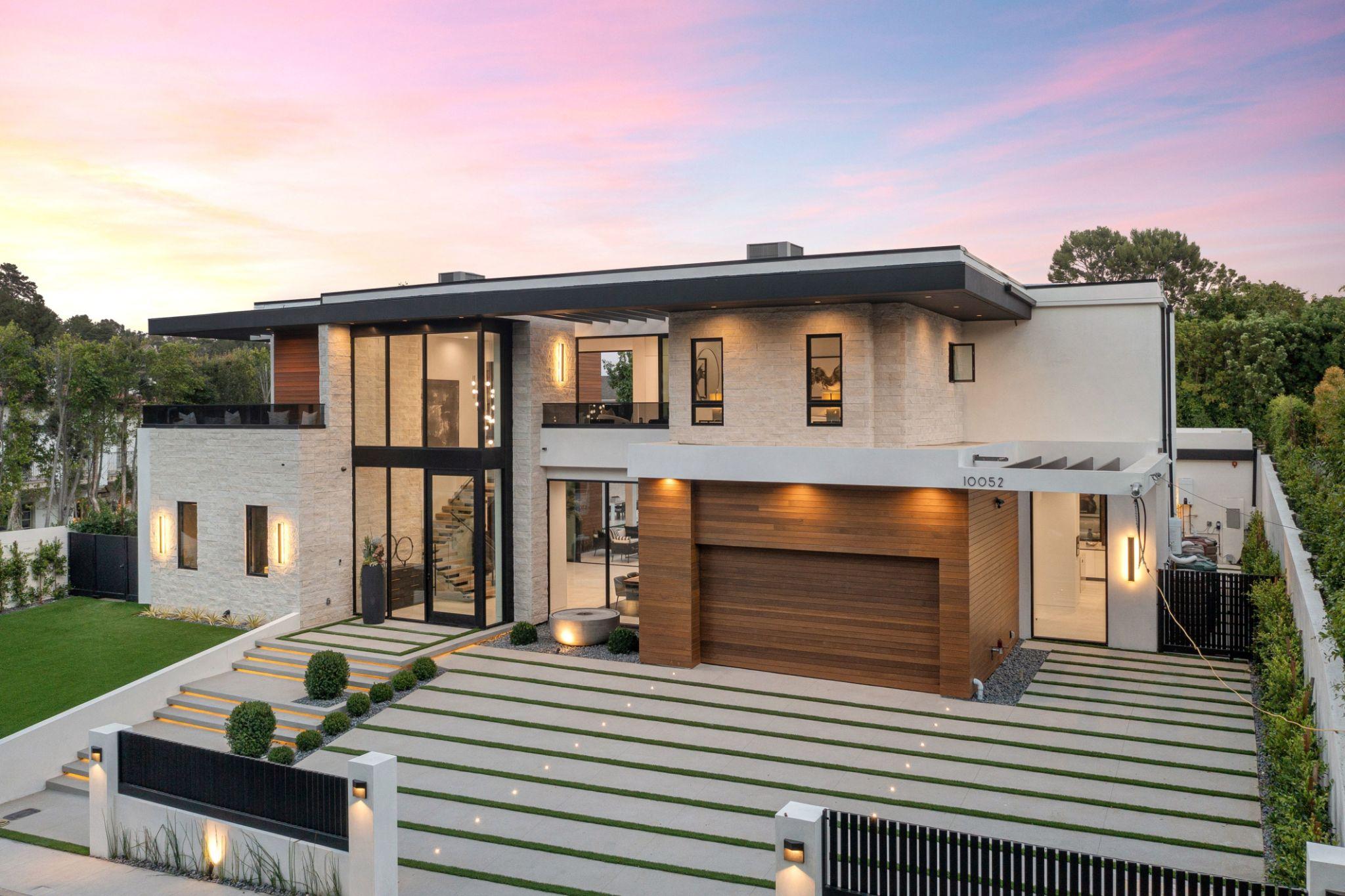
Every successful building project starts with a strong foundation. But beyond framing and finishes, there’s another layer that determines how well a home performs for years to come — the electrical system.
In today’s New construction projects, electrical planning is no longer a basic checklist item. Builders, homeowners, and property managers are thinking ahead. They’re considering Solar, backup power, smart technology, and high-demand appliances from day one. Getting this right early saves money, prevents delays, and keeps clients satisfied long after move-in day.
Electrical Planning That Matches Modern Living
The way people use electricity has changed dramatically over the last decade. Homes now power:
- Multiple smart devices
- High-efficiency HVAC systems
- EV chargers
- Outdoor features like Hot tubs
- Advanced lighting systems
- Full-scale Home automation
For builders working on Custom homes, buyers expect future-ready systems. They want flexibility, capacity, and convenience — without having to retrofit upgrades a year later.
Planning during New construction allows for:
- Proper load calculations
- Strategic panel placement
- Dedicated circuits for specialty equipment
- Seamless integration of Solar and backup systems
When contractors coordinate early with architects and builders, projects move faster and inspections go smoother.
Why a Main panel upgrade Should Be Considered Early
Even in brand-new builds, panel sizing matters. Installing a panel that only meets minimum requirements can limit future upgrades.
A properly sized panel can support:
- Future EV chargers
- Standby Generators
- Expanded outdoor lighting
- Workshop equipment
- Additional appliances
A thoughtful Main panel upgrade during construction costs significantly less than replacing a panel years later. Builders who think ahead often avoid callbacks and costly revisions.
Backup Power and Energy Independence
Power outages don’t just inconvenience homeowners — they disrupt entire properties. For property managers, this can mean emergency calls and frustrated tenants. For homeowners, it can interrupt work, damage appliances, or create safety risks.
Installing standby Generators during New construction is becoming increasingly common. Systems like Generac units provide automatic power restoration without manual intervention.
Pairing backup generators with Battery backup solutions adds another layer of reliability. This combination offers:
- Immediate power response
- Reduced reliance on the grid
- Protection for refrigerators, medical devices, and security systems
- Greater peace of mind
Builders who include backup options during planning provide added value that buyers notice.
For contractors with more than a decade of hands-on experience, designing reliable power systems isn’t just technical — it’s practical. Companies like Voltec Electric understand how to match generator size, panel capacity, and circuit priorities to each property’s specific needs.
Integrating Solar Without Complications
Energy efficiency is no longer a niche request. Many homeowners now ask about Solar options before drywall even goes up.
Installing solar-ready infrastructure during New construction makes integration much smoother. This can include:
- Conduit placement from roof to panel
- Proper panel capacity planning
- Roof orientation evaluation
- Space allocation for Battery backup systems
When solar systems are an afterthought, installations can become invasive and costly. Planning ahead avoids these disruptions.
For builders developing upscale Custom homes, offering solar-ready features creates a strong selling point. Buyers appreciate homes that are built with long-term savings and sustainability in mind.
Smart Technology and Home Automation Expectations
Walk into a modern home today, and you’ll likely see smart lighting, voice-controlled devices, and remote-access security systems.
Integrating Home automation during construction prevents messy retrofits and ensures reliable performance. Structured wiring and dedicated circuits allow systems to operate smoothly without overloading existing infrastructure.
Key Areas to Plan For
- Central control hubs
- Smart thermostats
- Exterior security systems
- Automated lighting zones
- Integrated garage systems for EV chargers
Property managers also benefit from smart technology. Automated common-area lighting and remotely monitored electrical systems reduce maintenance costs while improving tenant satisfaction.
Managing Electrical Demands for Specialty Features

Homeowners are personalizing properties more than ever. Requests for backyard kitchens, spas, workshops, and garage charging stations are increasingly common.
Each addition impacts the overall load calculation.
For example:
- A Hot tub requires a dedicated circuit and proper grounding.
- EV chargers demand high amperage capacity.
- Workshops may require 240V outlets.
- Outdoor kitchens often need weather-rated installations.
Without proper planning, these additions can strain systems and create safety hazards.
Experienced contractors understand local codes, inspection requirements, and real-world usage patterns. This reduces delays and ensures installations pass inspection the first time.
Why Builders and Property Managers Value Experience
Electrical work isn’t just technical — it’s logistical. Deadlines matter. Inspections matter. Coordination matters.
With over 11 years of experience, skilled electrical contractors know how to:
- Work efficiently alongside framing and plumbing teams
- Prevent scheduling conflicts
- Communicate clearly with site supervisors
- Deliver consistent workmanship
For property managers, responsiveness is equally important. Quick troubleshooting and reliable service keep properties operating smoothly.
Customer satisfaction isn’t about flashy upgrades. It’s about reliability, safety, and follow-through. Contractors who prioritize long-term relationships often become trusted partners for builders managing multiple projects.
Building for Today — and Tomorrow
The expectations surrounding residential electrical systems continue to grow. Homeowners want resilience, efficiency, and smart integration built into their properties from day one.
Thoughtful planning during New construction makes it easier to install Solar, add Generators, integrate Home automation, and prepare for EV chargers without costly changes later.
A properly sized panel, strategic wiring layout, and professional installation create a foundation that supports evolving technology for years to come.
For builders, homeowners, and property managers alike, investing in experienced electrical professionals means fewer surprises and smoother projects. When the electrical system is designed with foresight, the rest of the build falls into place naturally — and everyone stays happy long after the lights turn on.