Quick Answer: Commercial soft washing services use low-pressure water combined with biodegradable cleaning solutions to safely remove algae, mold, lichen, and biological growth from building exteriors and roofs. Unlike pressure washing, soft washing treats the root cause of contamination rather than blasting surface grime. It protects roofing materials, extends the lifespan of your commercial property, and is the method most roofing manufacturers actually recommend.
The Problem Most Building Owners Spot Too Late
Your roof is not just aging from weather. Algae and lichen colonies are actively digesting the materials underneath them, and most commercial property managers don’t realize it until discoloration becomes structural damage.
Here’s the thing most people miss: those dark streaks you see on commercial rooftops are not dirt. They are Gloeocapsa magma, a cyanobacteria that feeds on the limestone filler in asphalt shingles and TPO membrane seams. Left untreated, it invites lichen and moss, both of which anchor into roofing material with root-like structures called rhizines. That physical penetration shortens roof life by years, not months.
This is exactly the gap that commercial soft washing services are designed to close before the damage compounds.
What Soft Washing Actually Is (And What It Is Not)
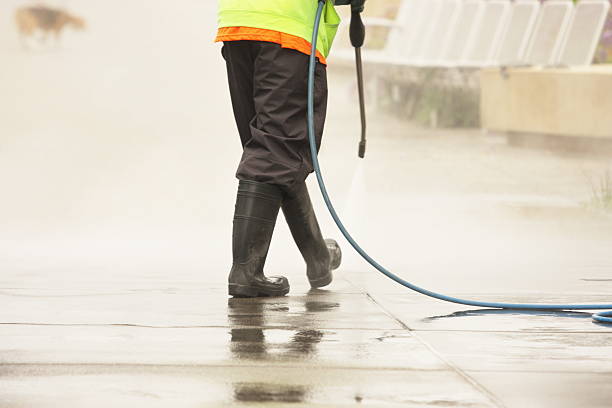
Soft washing is a cleaning method where water is delivered at low pressure, typically under 500 PSI, paired with a sodium hypochlorite-based solution that kills biological growth at its source. The solution does the work; the water simply rinses it away.
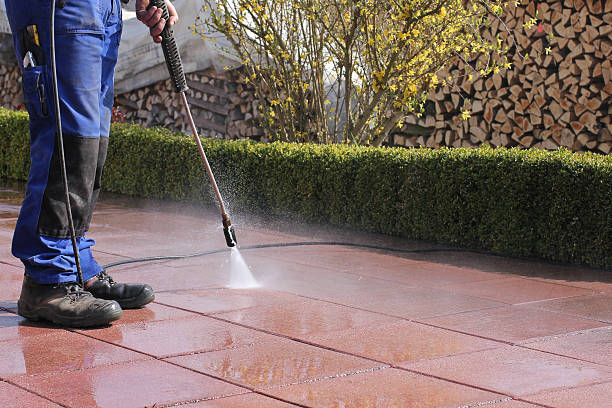
Pressure washing, by contrast, blasts surfaces at 1,500 to 3,000 PSI. On concrete walkways, that force is appropriate. On a commercial roof membrane or aged asphalt shingle field, it strips protective granules, voids manufacturer warranties, and can breach seams. The International Roofing Contractors Association (IRCA) has consistently advised against high-pressure cleaning on most commercial roofing systems for this exact reason.
Soft washing differs from pressure washing in that it relies on chemistry over force. That distinction matters enormously for flat commercial roofs, standing seam metal panels, and older modified bitumen systems where physical stress from high-pressure water accelerates deterioration.
Why Roof Treatment Cannot Be Skipped
Cleaning alone is a partial solution. Treatment is what makes it last.
Proper commercial roof cleaning and treatment combines the removal of existing biological growth with the application of a post-treatment solution that inhibits regrowth for months. Without that second step, algae spores that survive in gutters and nearby surfaces recolonize the roof within a single rainy season.
Treatment solutions approved for commercial use are formulated to be biodegradable and safe for HVAC intakes, drainage systems, and surrounding vegetation when applied correctly. A qualified soft wash contractor follows OSHA safety standards for rooftop work and understands the chemical dilution ratios required by roofing material type.
What Building Owners Get Wrong About Roof Maintenance
Most commercial property maintenance schedules include HVAC inspections, parking lot sealing, and window cleaning. The roof gets checked only when a leak appears.
That reactive approach is expensive. A 2023 study published by the Building Owners and Managers Association (BOMA) found that proactive exterior maintenance programs reduced average roofing repair costs by 30% over five years when compared to reactive maintenance schedules. Soft washing falls squarely into that proactive category.
And this is where it gets interesting: soft washing a commercial roof costs a fraction of even a minor roof repair, yet most budgets treat it as optional. It is not optional if you want your roof warranty to remain valid; many manufacturers specifically require periodic professional cleaning as a warranty condition.
Frequently Asked Questions
Q: What is commercial soft washing? A: Commercial soft washing is a professional exterior cleaning method that uses low-pressure water and biodegradable chemical solutions to remove algae, mold, mildew, and biological staining from building surfaces. It is safer and more effective than pressure washing for most commercial roofing systems.
Q: How does soft washing differ from pressure washing on a roof? A: Soft washing uses water pressure below 500 PSI and relies on cleaning agents to do the heavy lifting. Pressure washing uses 1,500 to 3,000 PSI, which can strip roofing granules, damage membranes, and void manufacturer warranties on commercial roofs.
Q: How often should commercial roof cleaning and treatment be done? A: Most commercial buildings benefit from soft wash roof cleaning every one to two years. Buildings in humid or heavily wooded environments may need annual treatment due to faster biological regrowth.
Q: Is soft washing safe for TPO and flat commercial roofs? A: Yes. Soft washing is actually the recommended cleaning method for TPO, EPDM, and modified bitumen roofing systems. The low pressure avoids seam stress, and approved cleaning solutions will not degrade membrane materials when properly diluted.
Q: Will soft washing remove lichen from a commercial roof? A: Soft washing kills lichen effectively, but physical removal may take time as dead material loosens from the surface. A follow-up rinse or light brushing is sometimes used. Multiple applications over a season may be needed for heavy lichen infestations.