

If you’ve been staring at flooring options for a while trying to figure out what actually makes sense for your space, you’re not alone. It’s one of those decisions that seems simple until you’re three websites deep comparing finishes you can’t even really picture in person. Deep breath – it’s genuinely less complicated once you break it down.
Most of the confusion clears up once you stop thinking about it as “which floor looks best” and start thinking about “what is this floor actually going to deal with every day.” Once that’s answered, the rest tends to fall into place pretty naturally.
Start With What the Space Actually Does
Before getting attached to a particular finish, think function first. A commercial kitchen’s needs look nothing like a retail showroom’s, and a home garage is a whole different animal than an office lobby. Moisture, temperature swings, chemical exposure, daily traffic – all of it plays into what’ll actually hold up.
For anything dealing with heavy impact, constant moisture, or big temperature shifts, urethane cement flooring tends to be the move, since it’s built to handle exactly that kind of punishment without breaking down early.
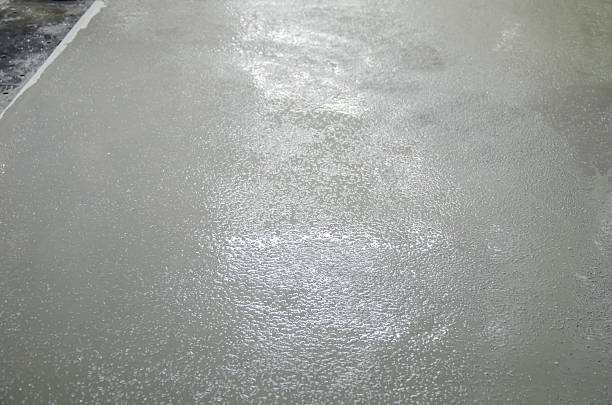
Now Let’s Talk Looks
Once function’s sorted, it’s fair to want something that doesn’t look purely industrial. Good news – a lot of today’s resin systems genuinely deliver on style without giving up toughness. Colored aggregates, glossy finishes, custom textures – there’s real variety here now.
If you’re leaning more toward appearance without giving up durability, something in the quartz epoxy flooring category is worth a look, since it blends decorative texture with genuine everyday resistance.
- Small tip that saves a lot of regret later: always ask for a sample or test patch before committing to the whole floor – lighting changes everything.
Don’t Forget What Happens After Installation Day
It’s easy to get caught up in how the floor looks fresh out of the gate, but longevity matters just as much. Ask how it’s cleaned, how long it typically lasts, and how it handles the everyday stuff – dropped tools, rolling carts, the occasional spill. A little digging now saves a lot of frustration later, especially somewhere that can’t really afford downtime for repairs.
Making the Call
Honestly, none of this has to be complicated once you know what to actually look for. Function first, style second, and a little bit of homework in between goes a long way toward not regretting the choice a year from now. If you’re still torn, it genuinely helps to talk to people who’ve installed this stuff in real buildings, not just sold it online. High Performance Systems has walked plenty of business owners and homeowners through exactly this kind of decision, matching the system to the space instead of pushing whatever’s easiest. A floor picked thoughtfully tends to pay for itself – fewer headaches, way more compliments.
FAQs
- How do I figure out which system fits my space?
Honestly, a quick professional assessment beats guessing every time – traffic and exposure make the call pretty clear.
- Is this pricier than regular flooring?
Upfront, sometimes yes, but the lifespan and low upkeep usually even it out over time.
- Can it go over my existing concrete?
In most cases, yeah, as long as the slab’s properly prepped first.
- How soon can I actually use the space after?
Light traffic’s usually fine within a day or two; full cure just takes a bit longer.
- Does this work for homes too, or just commercial spaces?
Both, actually – plenty of homeowners use it in garages and similar spaces.


