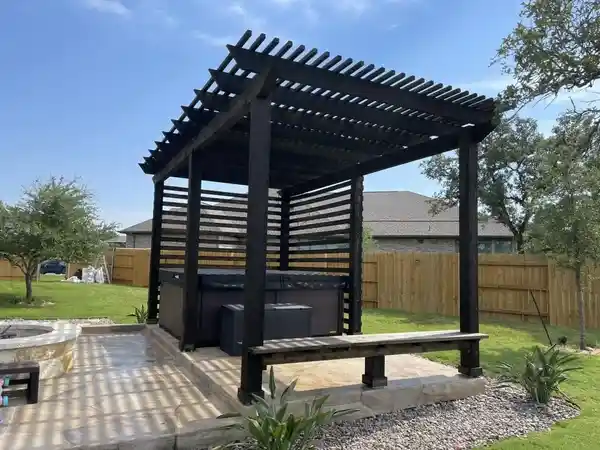
A patio looks simple on paper. Pour some concrete, set a few pavers, add a pergola. In practice, a lot can go wrong between the sketch and the finished space, and most of it comes down to who you hire. Austin yards add their own problems: clay soil that shifts, summer afternoons above 100°F, and rain that arrives all at once.
Here is how to sort through your options without getting burned.
Start With Contractors Who Work Locally
A contractor who builds in Central Texas every week already knows how the soil moves and what the city expects for permits. They also know which materials hold up and which ones fail by the second summer. Someone based two counties away may do good work, but they will be learning your conditions on your budget.
Ask each contractor how many patios they have built in your area in the last two years. A specific answer is a good sign. A vague one tells you something too.
Check Credentials and Past Work
Texas does not issue a statewide general contractor license, so you have to verify more yourself. Ask for proof of general liability insurance and workers’ compensation coverage. If a worker gets hurt on your property and the contractor is uninsured, that cost can land on you.
Then look at their finished projects. Photos help, but a visit to a completed job is better if they will arrange one. Pay attention to the edges, the joints, and how the backyard patio contractors meet the house. Sloppy details there usually mean sloppy work underneath.
Pick Materials That Can Handle Central Texas
Material choice matters more here than in milder climates. Dark pavers and composite decking can get hot enough to be uncomfortable barefoot. Untreated wood dries out and cracks quickly. Poured concrete can crack if the base was not prepared for expansive clay.
A few things to discuss with your contractor:
- Concrete or pavers: Pavers can be lifted and reset if the ground shifts. Concrete costs less up front but is harder to repair.
- Surface color: Lighter shades stay cooler in direct sun.
- Wood: Cedar and treated lumber last longer than untreated pine, but both need regular sealing.
- Drainage: The slope matters as much as the surface. Water should move away from your foundation, not toward it.
What to Look for When Comparing Contractors
- Read reviews on more than one platform. A handful of detailed reviews tells you more than a hundred short ones.
- Ask for two or three references and call them. Ask whether the job finished on schedule and how problems were handled.
- Compare their portfolio against what you want. A contractor who builds modern, minimal patios may not be the right fit for a rustic stone design.
- Get insurance details in writing before any work starts.
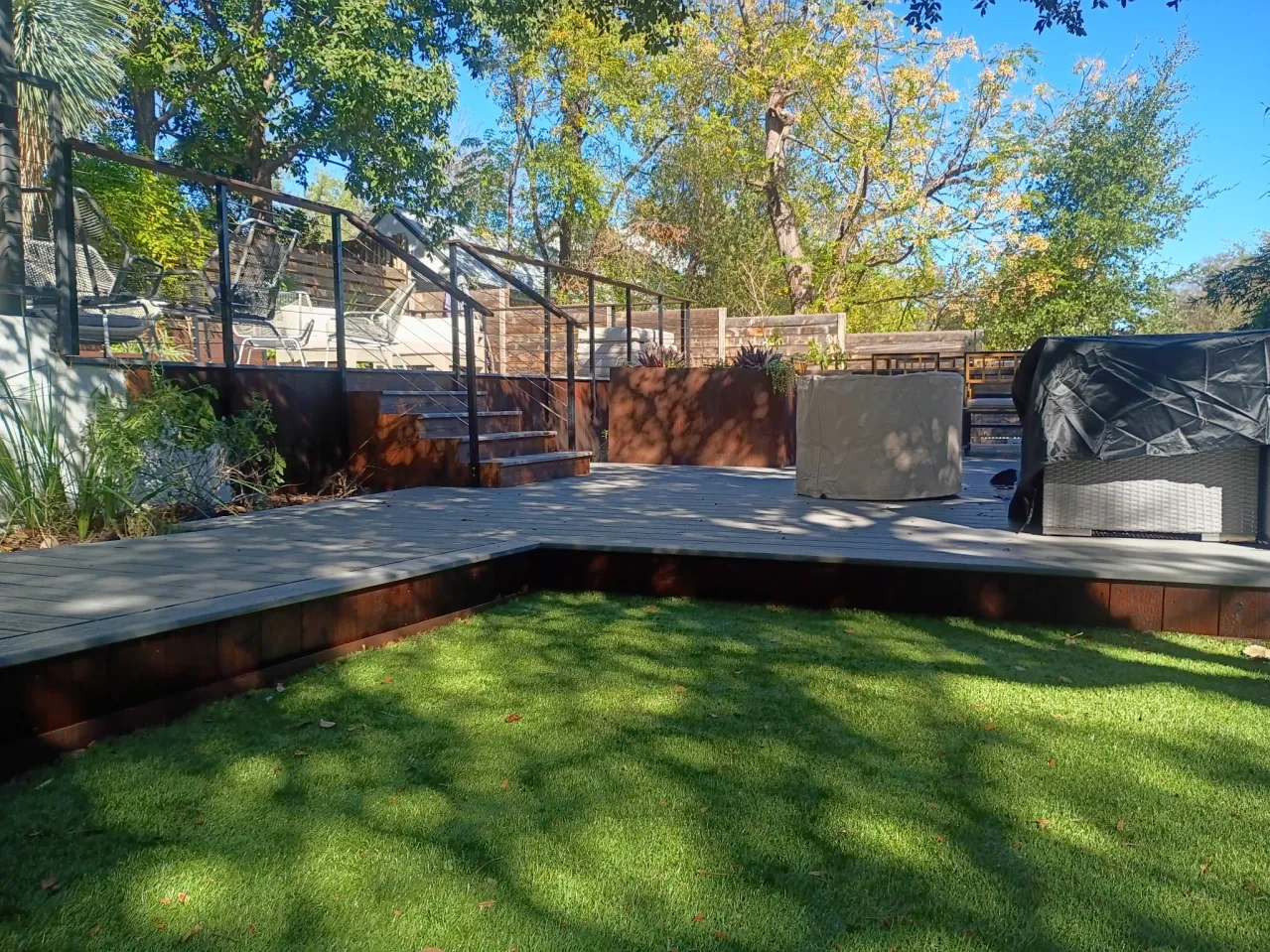
backyard patio contractors
Think About How You Will Actually Use the Space
Before you ask for quotes, decide what the patio is for. A space for weekend cookouts needs different planning than a quiet spot for morning coffee. Seating, shade, lighting, and cooking areas all take up room, and it is much cheaper to plan them now than to add them later.
Good Times Austin builds custom outdoor spaces around the way homeowners live, starting with the layout of the yard and the style of the house rather than a fixed template.
Features worth discussing early:
- Custom shape and size that fits your yard instead of forcing a rectangle into it
- Heat-tolerant materials chosen for Texas summers
- Built-ins such as benches, an outdoor kitchen, or a covered section
- A clear path from indoors to outdoors, so the patio feels like part of the house
Get the Plan and the Quote in Writing
Many disputes between homeowners and builders start with a verbal agreement. A written plan should list the dimensions, the materials by name, the start and finish dates, and the payment schedule. If something changes mid-project, ask for it in writing too.
A good contractor will also tell you how they communicate. Some send weekly updates, others call after each phase. Ask up front so you are not left guessing.
Final Thoughts
The right contractor is the one who answers your questions plainly, shows you real work, carries proper insurance, and plans for Texas weather instead of ignoring it. Good Times Austin builds patios for Central Texas homes with that approach, and a patio built that way should still look good years from now.
Frequently Asked Questions
How do I pick the right builder for my outdoor space?
Look for a local contractor with a verifiable portfolio, current insurance, honest references, and a written estimate. If they are slow to answer questions before you hire them, expect the same during the build.
Why do materials matter so much in Central Texas?
Heat, heavy rain, and shifting clay soil put constant stress on outdoor surfaces. Materials that are not chosen for these conditions tend to warp, crack, or fade much sooner.