Creating a sustainable lawn is no longer just a trend but a necessity for modern property owners. With increasing awareness about environmental conservation, more people are looking for ways to maintain their outdoor spaces responsibly. Investing in professional lawn care helps achieve a balance between beauty and sustainability, ensuring your lawn remains green while minimizing environmental impact. By adopting eco-friendly practices, you can create a lawn that is both attractive and resource-efficient.
What Is Sustainable Lawn Care
Sustainable lawn care focuses on maintaining a healthy lawn while reducing the use of water, chemicals, and other resources. It involves practices that support long-term soil health, conserve water, and protect the environment. This approach not only benefits nature but also reduces maintenance costs over time. A sustainable lawn is easier to maintain and remains resilient in changing environmental conditions.
Building Healthy Soil Naturally
Healthy soil is the foundation of sustainable lawn care. Natural soil enrichment techniques such as composting and organic fertilization improve soil structure and nutrient content. These methods enhance the soil’s ability to retain water and support plant growth. Aeration also plays a key role by improving airflow and reducing compaction, allowing roots to grow deeper and stronger.
Water Conservation with Smart Irrigation
Water conservation is a major aspect of sustainable lawn care. Traditional watering methods often lead to water waste and uneven distribution. Professional irrigation services offer advanced solutions that ensure efficient water usage. Smart irrigation systems adjust watering schedules based on weather conditions, preventing overwatering and reducing waste. Drip irrigation and moisture sensors further improve efficiency by delivering water directly to plant roots.
Choosing the Right Grass and Plants
Selecting the right grass type and plants is essential for sustainability. Native and drought-resistant species require less water and maintenance, making them ideal for eco-friendly lawns. These plants are better adapted to local conditions and can thrive with minimal intervention. Choosing the right vegetation reduces the need for excessive watering and chemical treatments.
Seasonal Care for Sustainable Growth
Seasonal maintenance is important for keeping a sustainable lawn healthy. Spring involves soil preparation and natural fertilization to promote growth. Summer focuses on efficient watering and mowing practices to conserve resources. Fall is ideal for aeration and overseeding, which strengthen the lawn naturally. Winter preparation helps protect the soil and ensures a strong start in the next growing season.
Reducing Chemical Use in Lawn Care
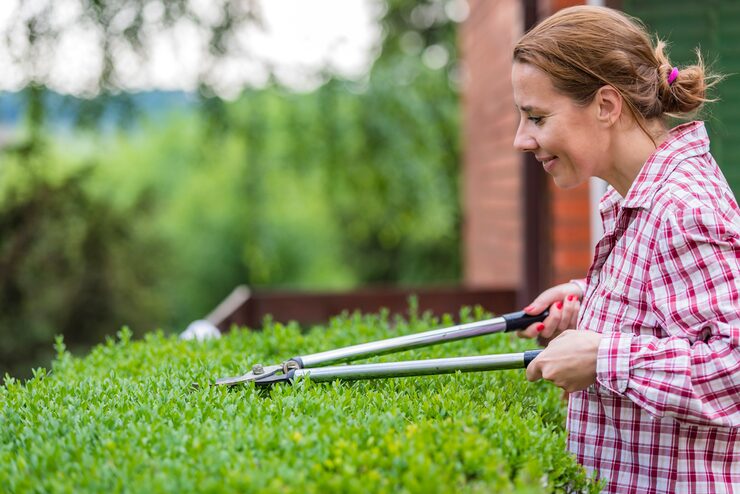
One of the key principles of sustainable lawn care is reducing chemical usage. Overuse of synthetic fertilizers and pesticides can harm the environment and soil health. Organic alternatives provide nutrients without causing damage to ecosystems. Natural pest control methods also help maintain a healthy balance in your lawn without relying on harmful chemicals.
Benefits of Professional Sustainable Lawn Services
Professional lawn care services offer expertise in implementing sustainable practices. Experts understand how to balance aesthetics with environmental responsibility. They use advanced tools and techniques to deliver efficient and eco-friendly solutions. Hiring professionals ensures that your lawn remains healthy while minimizing its environmental footprint.
Enhancing Sustainability Through Landscape Design
Landscape design plays a significant role in sustainability. Proper planning ensures efficient water usage, improved drainage, and better plant placement. Features such as rain gardens and permeable pathways help manage water effectively. Thoughtful design creates a harmonious outdoor space that supports both beauty and environmental health.
Long-Term Advantages of Sustainable Lawn Care
Sustainable lawn care provides long-term benefits for both property owners and the environment. A well-maintained sustainable lawn requires less water, fewer chemicals, and lower maintenance costs. It also improves soil health and supports biodiversity. Over time, these benefits contribute to a more resilient and attractive outdoor space.
Creating a Sustainable Lawn Care Plan
Developing a sustainable lawn care plan involves assessing your lawn’s specific needs and implementing eco-friendly practices. This includes choosing the right plants, optimizing irrigation, and maintaining soil health. A well-planned approach ensures consistent results and long-term success. Whether you manage your lawn yourself or hire professionals, sustainability should be a key focus.
Conclusion
Sustainable lawn care is essential for maintaining a healthy and environmentally friendly outdoor space. Lawn care and irrigation services play a crucial role in achieving this balance by providing efficient watering and expert maintenance. By focusing on soil health, water conservation, and eco-friendly practices, you can create a lawn that is both beautiful and sustainable. Investing in the right strategies ensures long-lasting results and a positive impact on the environment.
FAQ
1. What is sustainable lawn care?
Sustainable lawn care involves maintaining a healthy lawn using eco-friendly practices that conserve water, reduce chemical use, and support soil health.
2. How do irrigation systems support sustainability?
Irrigation systems improve water efficiency by delivering the right amount of water at the right time, reducing waste and conserving resources.
3. Are eco-friendly lawn care methods effective?
Yes, eco-friendly methods are highly effective and provide long-term benefits by improving soil health, reducing costs, and maintaining a healthy lawn.