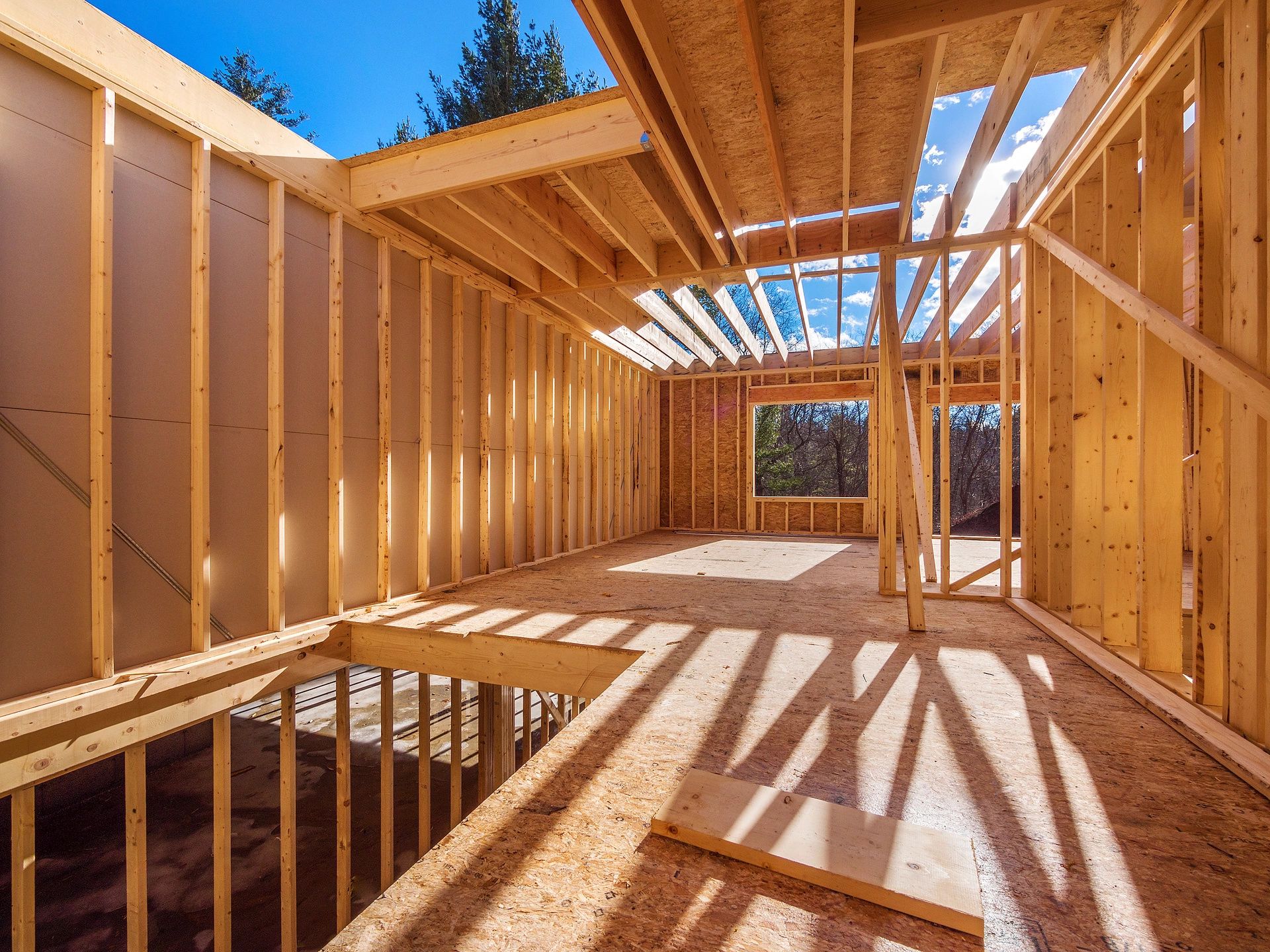
When you’re planning a new home build or renovating your property, choosing and working with the right residential framing contractor is one of the most important steps. Framing creates the entire structural backbone of your home, supporting everything from the walls and floors to the roof and essential load-bearing features. The quality of this stage determines the strength, longevity, and safety of your entire home.
Whether you’re a homeowner taking on your first building project or someone looking to understand more about the construction process, learning how a residential framing contractor works can help you make better decisions and ensure your project stays on track. Below are the essential insights, tips, and considerations you need to get the best results from your framing project.
Understanding the Role of a Residential Framing Contractor
A residential framing contractor focuses on building the basic skeleton of a home. This includes installing the structural framework, creating layouts for rooms, supporting floors and walls, and preparing the home for the next stages of construction. Their expertise directly impacts the stability and durability of the property.
A reliable residential framing contractor understands building codes, safety standards, and design requirements. They work closely with architects, engineers, and other teams offering construction service support to ensure every part of the framing aligns with the larger project plans.
Why Quality Framing Matters for Your Home
Strong framing sets the foundation for everything that comes later. When the framing isn’t done correctly, problems can show up in multiple areas of your home — uneven floors, misaligned walls, roof issues, or even long-term safety hazards. High-quality framing eliminates unnecessary repairs, improves energy efficiency, and ensures a smoother building process.
A skilled residential framing contractor also helps streamline timelines and reduce costs by preventing mistakes early on. Their precision ensures openings for doors, windows, and utilities are correctly placed. This reduces delays and keeps project milestones running smoothly.
Choosing the Right Residential Framing Contractor
Selecting the right expert can feel overwhelming, but it becomes easier when you know what to look for. Start by reviewing the contractor’s experience specifically in residential framing. Framing is a specialized trade within the construction world, so hands-on expertise and proven results matter more than anything.
It’s also helpful to explore their past projects. Photos, client testimonials, and references can give you a clear idea of their craftsmanship. The right residential framing contractor communicates clearly, provides transparent estimates, and shows a strong understanding of local building codes.
Someone who works with trusted teams offering dependable construction service support can be a valuable asset too, as it ensures the entire build is cohesive and efficient.
Clear Communication Is Key
Smooth communication ensures your project stays aligned with your expectations. A professional residential framing contractor will always take time to explain timelines, materials, and the scope of work. They will also check in regularly with updates as the project progresses.
When communication is open, misunderstandings are minimized. The contractor can foresee potential challenges, recommend adjustments, and keep you informed about how each stage impacts the next. Good communication also builds trust—a major factor in any construction project.
Material Matters: Choosing the Right Wood and Components
Your home’s frame is only as strong as the materials used to build it. This is why expert contractors focus on using durable, high-quality lumber that can withstand weather, pressure, and time. Each beam and joint plays a role in supporting the entire structure.
A dependable residential framing contractor will help you understand the difference between common lumber types, such as pressure-treated wood versus standard framing lumber. They’ll also ensure that every material meets local building standards and suits your home’s design.
They work alongside teams offering construction service solutions to ensure no material is wasted and everything fits precisely as planned.
Ensuring Safety and Structural Accuracy
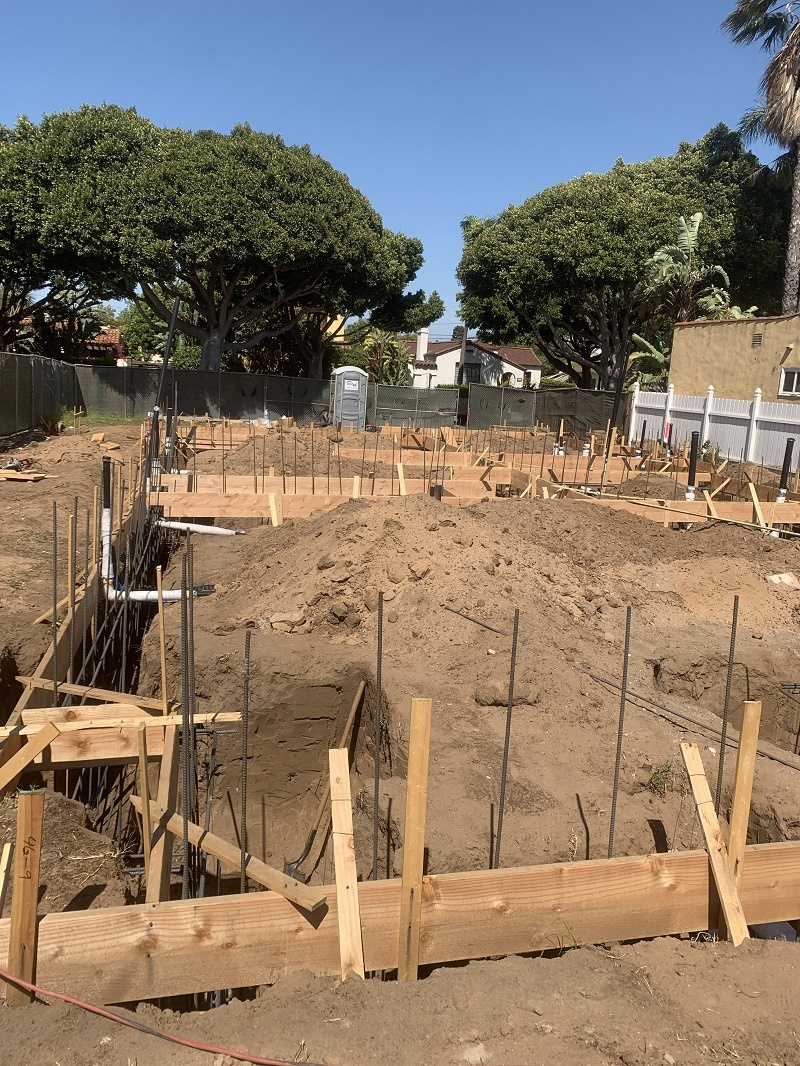
Safety is a top priority during framing. The contractor must follow all safety protocols, ensuring the team is protected throughout the build. Beyond the job site, structural accuracy ensures your home remains safe for years to come.
This includes:
- Proper alignment of beams
- Secure placement of joists
- Accurate spacing between studs
- Reinforced load-bearing walls
- Correct roof framing installation
These elements determine the long-term stability of your home. A residential framing contractor with deep experience ensures every detail is executed with care and precision.
The Importance of Timely Project Management
Construction projects often face delays, but solid project management helps reduce these challenges. A residential framing contractor committed to efficient planning will create clear schedules and coordinate with other trade professionals so the framing phase moves ahead smoothly.
Timelines matter because many other teams rely on the framing being finished before they can start their work. Electrical, plumbing, roofing, and finishing crews all depend on a properly completed frame. When your contractor is organized, your entire home-building process becomes easier.
How a Residential Framing Contractor Works with Other Professionals
Framing is not a standalone task. It connects with several other parts of the building process. A great contractor collaborates with engineers, architects, and specialists offering broader construction service support. This ensures the home is built according to the plan and complies with all structural requirements.
Close collaboration helps avoid design issues and helps everyone stay on the same page regarding measurements, room layouts, and safety standards.
What You Should Expect During the Framing Phase
When framing begins, you’ll notice rapid progress. Walls and structures rise quickly, giving your home shape and dimension. During this stage, your contractor will map out each wall, window, and ceiling height while ensuring every measurement is precise.
Throughout the process, the residential framing contractor will consistently check alignment, strength, and support functions. You’ll be able to see your floor plan come to life as each room begins to take shape. This is often one of the most exciting phases of the entire build.
Final Inspections and Quality Checks
Before moving on to the next stage, your contractor performs a full inspection. This step ensures that all framing work is secure, stable, and compliant with local building codes. Any adjustments or reinforcements are addressed immediately.
This thorough review ensures your home is ready for the next professionals to begin their installation work without any delays or unexpected issues.
Conclusion
Working with the right residential framing contractor can completely transform your building experience. From ensuring structural safety to delivering precise workmanship, the right contractor sets the tone for the entire project. With strong communication, quality materials, and expert-level framing skills, your home build becomes smoother, safer, and more successful.
Whether you are starting a new construction project or adding an extension to your home, these insights will help you make confident choices. A dependable contractor, supported by skilled teams offering every essential construction service, will always ensure your home’s foundation is strong for years to come.