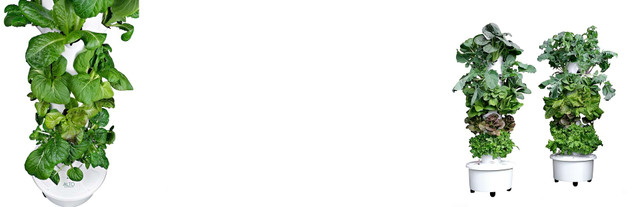
Growing fresh vegetables and herbs at home is becoming increasingly popular as people look for healthier food options and more sustainable lifestyles. However, many individuals face a common challenge: limited gardening space. Urban homes, apartments, and small backyards often make traditional gardening difficult. Fortunately, modern vertical gardening solutions have made it easier than ever to grow plants in compact areas. A tower garden is one of the most effective systems for growing fresh produce vertically while maximizing space.
Tower gardens allow gardeners to grow multiple plants in a vertical structure rather than spreading plants across the ground. This innovative method makes it possible to grow vegetables, herbs, and fruits in small areas such as patios, balconies, and rooftops. By combining vertical design with hydroponic technology, tower gardens help people grow healthy food efficiently and conveniently.
Understanding Vertical Gardening with Tower Gardens
Vertical gardening focuses on growing plants upward instead of outward. This method uses structures such as towers, trellises, or stacked containers to support plant growth. Tower gardens represent one of the most efficient forms of vertical gardening because they allow many plants to grow within a compact footprint.
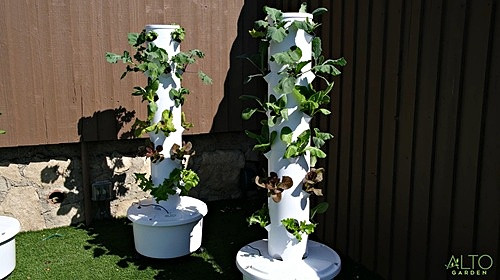
A tower garden system typically consists of a tall vertical column with multiple planting pockets arranged in layers. Each pocket holds a plant while allowing water and nutrients to circulate through the root system.
Many tower gardens operate using hydroponic technology, meaning plants grow without soil. Instead, a nutrient-rich water solution circulates through the tower and provides plants with essential minerals required for growth. This system ensures that plants receive water, nutrients, and oxygen efficiently.
Why Tower Gardens Are Ideal for Small Spaces
One of the biggest advantages of tower gardens is their ability to maximize limited space. Traditional gardening often requires large garden beds and open areas for planting. In contrast, tower gardens grow vertically, which means many plants can grow within a very small footprint.
This makes tower gardens especially useful for people living in apartments or homes with small outdoor areas. A tower garden can easily fit on a balcony, patio, rooftop, or small backyard corner.
The vertical structure also improves accessibility. Plants are positioned at different heights along the tower, allowing gardeners to reach them easily without bending or kneeling frequently.
Faster Plant Growth Through Hydroponics
Hydroponic growing systems provide several advantages compared to traditional soil gardening. In a hydroponic tower garden, plants receive nutrients directly through circulating water.
In soil gardening, plant roots must search through the soil to find nutrients. In hydroponic systems, nutrients are delivered directly to the root system, making absorption faster and more efficient.
Because plants receive nutrients consistently, they often grow faster and produce higher yields. Leafy greens and herbs, in particular, tend to thrive in hydroponic tower gardens.
This efficient nutrient delivery system helps create healthier plants and more productive gardens.
Efficient Water Usage in Tower Gardens
Water conservation is an important benefit of tower gardening. Traditional gardens often require frequent watering, and a significant amount of water may be lost through evaporation or runoff.
Tower gardens use a closed-loop system that recirculates water throughout the tower. Nutrient-rich water is pumped from the reservoir at the base of the tower to the top. The water then flows downward through the planting pockets and returns to the reservoir.
Because the water is reused continuously, tower gardens typically require much less water than traditional gardens. This makes them a more environmentally friendly option for home gardening.
Best Crops for Tower Garden Systems
Tower gardens can support a wide variety of crops, but some plants grow especially well in vertical hydroponic systems. Leafy greens are among the most popular choices because they grow quickly and require minimal maintenance.
Vegetables such as lettuce, spinach, kale, and arugula are commonly grown in tower gardens. These plants adapt well to hydroponic environments and produce regular harvests.
Herbs also thrive in tower garden systems. Basil, parsley, mint, cilantro, and oregano grow efficiently and can be harvested frequently for cooking.
Strawberries are another excellent choice for tower gardens. The vertical structure allows the fruit to hang freely while remaining clean and easy to harvest.
Some gardeners also grow small vegetable varieties such as cherry tomatoes and peppers in tower gardens.
Setting Up a Tower Garden at Home
Setting up a tower garden is a straightforward process that can be completed in a few simple steps. The first step is assembling the tower structure according to the manufacturer’s instructions.
After the tower is assembled, the reservoir is filled with water and mixed with a hydroponic nutrient solution. These nutrients provide plants with the minerals they need for healthy growth.
Next, seedlings are placed into the planting pockets around the tower. Many beginners start with leafy greens and herbs because they grow quickly and adapt easily to hydroponic systems.
Once planting is complete, the water pump is activated to circulate the nutrient solution throughout the tower. The system then continues delivering nutrients and water to plant roots automatically.
Maintaining a Healthy Tower Garden
Maintaining a tower garden requires regular monitoring but is generally easier than maintaining a traditional soil garden. The most important task is checking the water level in the reservoir.
Hydroponic systems depend on continuous water circulation, so maintaining proper water levels ensures plants receive nutrients consistently.
Gardeners should also monitor nutrient levels and replenish them when necessary. Cleaning the system occasionally helps prevent algae buildup and keeps the pump functioning efficiently.
Regular inspection of plants helps identify potential issues such as pests or nutrient deficiencies early.
With proper care, a tower garden can remain productive throughout the year.
Environmental Benefits of Tower Gardening
Tower gardens contribute to sustainable living by allowing people to grow food locally. Growing food at home reduces the need for transportation and packaging associated with store-bought produce.
The efficient water use of tower gardens also helps conserve natural resources. Since water is recycled through the system, less water is required compared to traditional soil gardening.
Additionally, vertical gardening allows more plants to grow in smaller spaces, reducing the need for large agricultural areas.
These environmental benefits make tower gardening an attractive option for eco-conscious gardeners.
Conclusion
Tower gardens provide a modern and efficient way to grow fresh vegetables and herbs at home. By using vertical structures and hydroponic technology, these systems allow gardeners to produce more food in smaller spaces while conserving water and reducing maintenance.
Whether used outdoors on a sunny patio or indoors with grow lights, a tower garden can transform small spaces into productive gardens. With proper setup and maintenance, tower gardening offers a rewarding and sustainable approach to growing fresh food at home.
FAQ
1. How many plants can grow in a tower garden?
Depending on the size of the system, a tower garden can typically support between 20 and 50 plants.
2. Do tower gardens need soil?
Most tower gardens use hydroponic systems that grow plants using nutrient-rich water instead of soil.
3. Can tower gardens be used indoors?
Yes, tower gardens can be used indoors with proper LED grow lights and good airflow to support healthy plant growth.