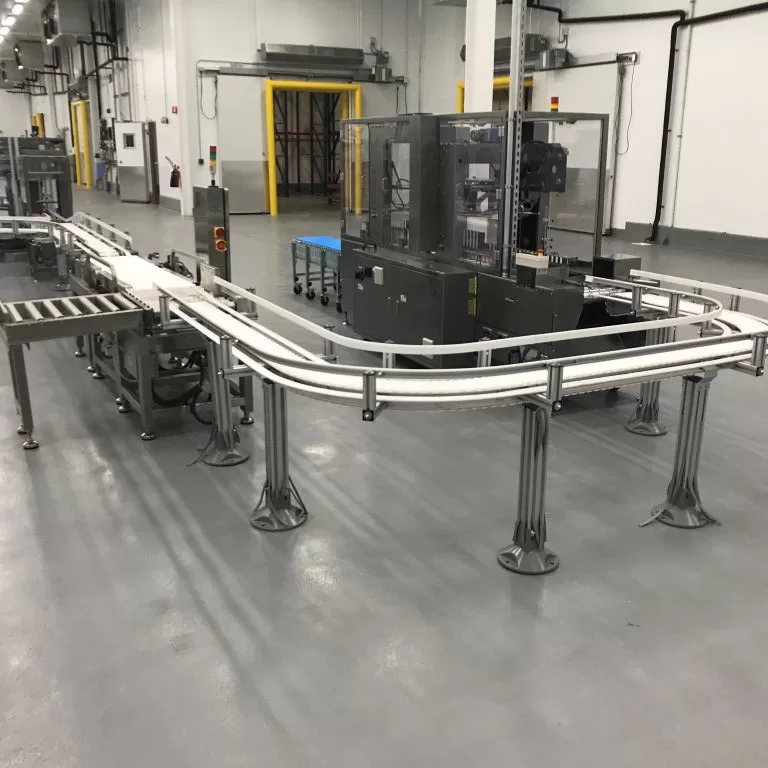
A commercial kitchen operates in one of the most demanding environments in any business setting. Constant foot traffic, moisture, grease, food spills, and heavy equipment place continuous pressure on flooring systems every day. Because of these conditions, choosing the right commercial kitchen flooring is not only about appearance. It is also about safety, sanitation, durability, and long-term performance.
For restaurants, food processing facilities, cafeterias, and institutional kitchens, selecting reliable commercial kitchen flooring NJ property owners can depend on is essential for meeting health regulations and maintaining efficient operations. Flooring must support strict sanitation standards while also creating a safer and easier-to-clean workspace for employees.
Commercial Kitchen Flooring NJ Requirements for Modern Facilities
Commercial kitchens in New Jersey must follow strict construction and hygiene standards. Floors in food preparation areas are expected to resist moisture, chemicals, and bacterial growth while remaining easy to maintain.
The right commercial kitchen flooring system is designed to perform under extreme daily conditions without cracking, peeling, or becoming unsafe. Smooth and non-porous surfaces help reduce contamination risks and simplify cleaning routines. This is especially important in kitchens where sanitation directly affects food safety compliance.
Many facility managers prefer seamless flooring systems because they eliminate grout joints and gaps where dirt, grease, and bacteria can collect. A seamless surface also supports faster cleaning and improved hygiene management throughout the kitchen.
Why Durability Matters in Commercial Kitchen Flooring
Commercial kitchens experience constant movement from carts, heavy appliances, rolling racks, and employee traffic. Standard flooring materials often fail under these conditions because they cannot withstand moisture and impact over time.
Durable commercial kitchen flooring NJ facilities require should resist cracking, thermal shock, and chemical damage. Hot water washdowns, grease exposure, and cleaning agents can quickly destroy low-quality flooring materials.
High-performance flooring systems are designed to handle these challenges without losing structural integrity. They maintain their appearance and functionality while helping businesses avoid costly repairs and downtime.
Resistance to Moisture and Grease
Commercial kitchens generate large amounts of water and grease throughout the day. Floors that absorb moisture can create sanitation issues and long-term structural problems.
Non-porous commercial kitchen flooring prevents liquids from penetrating the surface. This reduces the possibility of mold growth, odors, and bacterial contamination. It also creates a cleaner environment that supports food safety practices.
Slip-resistant textures are another important feature in wet kitchen environments. Employees move quickly during busy operations, and flooring with proper traction can help reduce workplace accidents.
Long-Term Cost Efficiency
Although some flooring systems may appear less expensive initially, low-quality materials often require frequent repairs and replacements. Cracked surfaces and damaged seams create sanitation concerns and interrupt kitchen operations.
Investing in professional commercial kitchen flooring provides long-term value by reducing maintenance costs and extending the life of the floor. Durable flooring systems help businesses avoid operational disruptions while maintaining a professional environment.
The Importance of Hygiene in Commercial Kitchen Flooring
Cleanliness is one of the most important priorities in any food service facility. Floors play a major role in supporting sanitation efforts because they are exposed to spills, food debris, grease, and cleaning chemicals every day.
Commercial kitchen flooring NJ businesses install should support proper cleaning procedures while minimizing contamination risks. Smooth and sealed surfaces are easier to sanitize and maintain compared to porous materials that trap moisture and bacteria.
Seamless Flooring Improves Sanitation
Seamless flooring systems create a continuous surface without grout lines or joints. This design prevents dirt and bacteria from accumulating in hard-to-clean areas.
In food preparation environments, seamless commercial kitchen flooring simplifies daily maintenance and improves overall hygiene standards. Staff can clean surfaces more efficiently while reducing the chance of hidden contamination.
Coved bases are also important in commercial kitchens because they create a smooth transition between the floor and wall. This eliminates sharp corners where dirt and grease commonly build up.
Meeting Food Safety Standards
Commercial kitchens in New Jersey are expected to follow strict hygiene regulations. Flooring materials must support proper sanitation and withstand regular cleaning procedures.
Certain flooring materials such as laminate and vinyl composite tile are often unsuitable for food preparation areas because they cannot tolerate wet and greasy conditions over time. Professional commercial kitchen flooring systems are specifically designed for these demanding environments.
Facility managers who invest in high-quality flooring solutions create safer and more compliant kitchens while improving operational efficiency.
Choosing the Right Commercial Kitchen Flooring System
Every commercial kitchen has unique operational requirements. The right flooring system depends on factors such as kitchen size, cooking volume, cleaning routines, and exposure to moisture and chemicals.
Commercial kitchen flooring NJ contractors install should provide a balance of durability, hygiene, and slip resistance. A properly installed flooring system can improve safety while helping businesses maintain consistent sanitation standards.
Professional Installation Matters
Even the best flooring materials can fail if installation is not handled correctly. Professional installation ensures proper surface preparation, seamless application, and long-lasting performance.
Experienced installers understand how to create flooring systems that withstand commercial kitchen conditions while meeting regulatory expectations. Proper installation also helps prevent future issues such as peeling, cracking, or moisture damage.
Maintaining Commercial Kitchen Flooring
Routine cleaning and preventative maintenance help extend the lifespan of commercial kitchen flooring. Daily cleaning removes grease and debris that could affect safety and sanitation.
Periodic inspections can identify minor issues before they become major repairs. With proper care, high-performance commercial kitchen flooring can continue performing effectively for many years.
Conclusion
Choosing the right commercial kitchen flooring is essential for maintaining a safe, sanitary, and durable food preparation environment. Commercial kitchens face constant exposure to moisture, grease, heavy equipment, and strict health regulations, making flooring performance a critical factor in daily operations.
Businesses searching for dependable commercial kitchen flooring NJ solutions should prioritize seamless, non-porous, and slip-resistant systems that support long-term durability and hygiene. High-quality flooring not only improves safety and sanitation but also helps reduce maintenance costs and operational disruptions over time.